
Canadian timber is renowned for its strength, durability & sustainable harvesting practices. It's used in various applications, from construction to furniture making, thanks to its versatility and quality. Canadian timber includes species like Douglas fir, spruce, pine, and cedar.
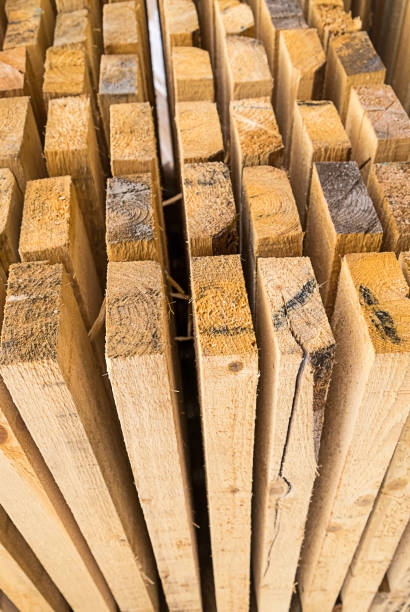
Main Regions of Cultivation: Major timber-producing provinces in Canada include British Columbia, Quebec, and Ontario. British Columbia alone accounts for about 60% of the country's softwood production.
Production Time: Timber harvesting typically occurs throughout the year, with peak activity in the winter months when the ground is frozen, reducing soil impact.
Statistics: In 2023, Canada produced over 220 million cubic meters of timber, making it one of the world's leading timber producers. The forestry sector contributed approximately $23 billion to the Canadian economy.
Export Value: The value of Canadian timber exports reached $14 billion in 2023, with significant markets in the United States, China, and Japan.
Types of Timber:
Douglas Fir: Known for its strength and stability, ideal for construction purposes.
Pine: Versatile and easy to work with, perfect for furniture and paneling.
Cedar: Naturally resistant to rot and insects, great for outdoor applications.
Softwood Lumber: Used primarily in construction and furniture making.
Plywood and Veneer Sheets: Utilized in various woodworking and construction applications.
Wooden Pallets and Packaging Materials: Essential for shipping and logistics.